When Should You Remove a Tree? 7 Signs It's Time
Tree Care, Home Safety
When Should You Remove a Tree? 7 Signs It's Time
Trees add beauty, shade, and value to your property—but they can also become serious safety hazards if they’re damaged, diseased, or poorly placed. Knowing when to remove a tree is an important part of responsible homeownership and landscape care.
When Should You Remove a Tree?
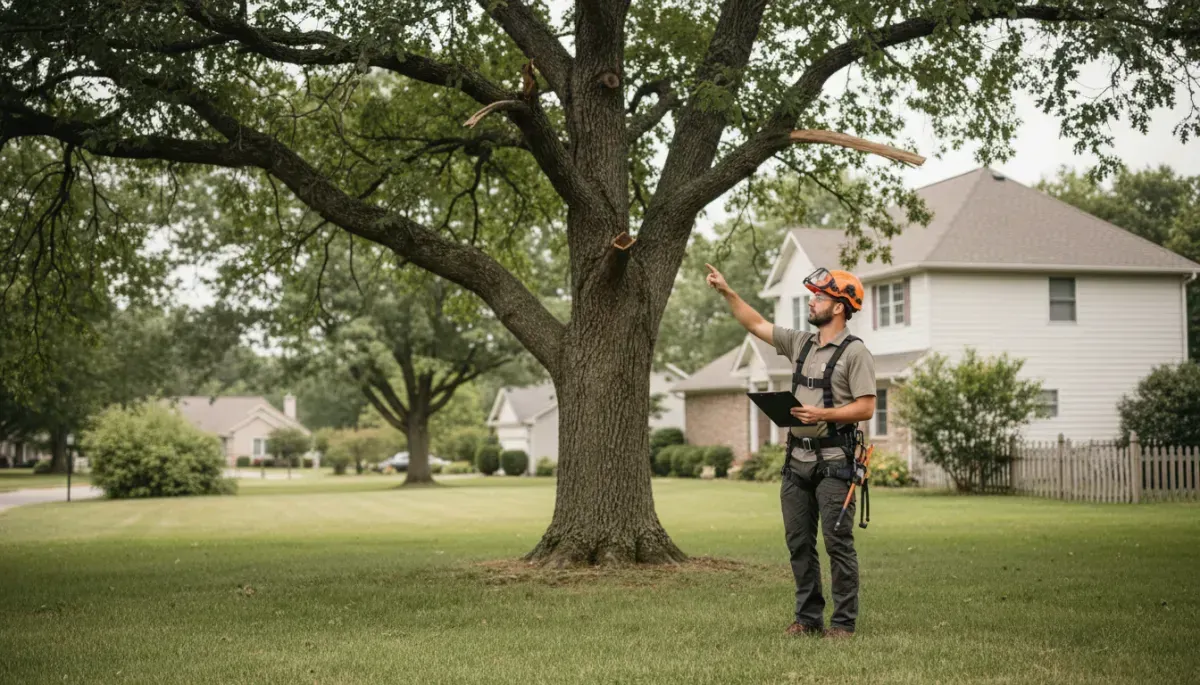
Tree removal should never be your first instinct. In many cases, pruning, cabling, or targeted treatment can restore a tree’s health and stability. However, there are times when keeping a tree poses more risk than benefit. You should consider removal when a tree:
Threatens people, buildings, or power lines if it fails
Is severely diseased or dying with little chance of recovery
Is causing major structural damage to foundations, driveways, or pipes
Because every property is different, it’s wise to consult a certified arborist before making a final decision. Still, there are clear warning signs you can look for on your own. Below are seven of the most important indicators that it may be time to remove a tree.
7 Signs It's Time to Remove a Tree
1. The Tree Is Clearly Dead or Mostly Dead
A dead tree is unpredictable and will eventually fall. Warning signs include no leaves during the growing season, brittle branches that snap easily, and bark that is peeling away in large sections. If more than 50% of the tree’s crown is dead, removal is usually the safest option, especially if the tree stands near areas where people walk, park, or play.
2. Significant Lean or Sudden Tilting
Some trees naturally lean as they grow toward the light, but a sudden or increasing lean can signal root failure or internal decay. If a tree begins leaning noticeably after a storm, or if the soil around the base looks heaved, cracked, or raised on one side, it may be at risk of toppling. A leaning tree that points toward your home, driveway, or neighbor’s property demands prompt professional assessment.
3. Large Cracks, Splits, or Hollow Areas in the Trunk
The trunk is the main support structure of a tree. Deep vertical cracks, extensive cavities, or large sections of missing wood can seriously weaken it. While small hollows don’t always mean a tree must go, a trunk that is more hollow than solid—or shows cracks extending through the bark into the wood—may no longer be structurally sound. This is especially concerning in tall trees exposed to strong winds.
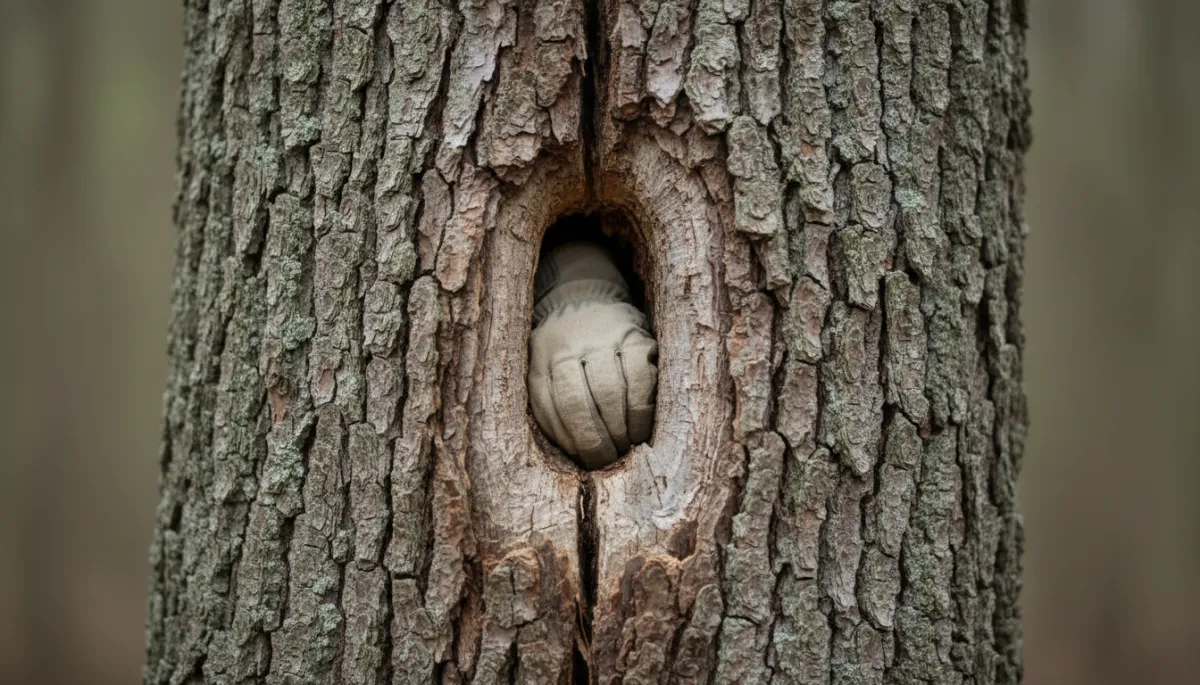
Deep trunk cracks and hollows can dramatically reduce a tree’s stability.
4. Extensive Fungal Growth and Decay at the Base
Mushrooms, conks, or shelf-like fungi growing around the base of a tree can indicate internal rot. Soft, spongy wood, crumbling roots, or a “punky” texture when you press the trunk are signs of advanced decay. Because this damage often spreads from the inside out, the tree may look relatively healthy in the crown while being dangerously compromised below.
5. Severe or Spreading Disease and Pest Infestations
Some tree diseases and insect problems can be treated, but others are aggressive and difficult to control. Look for thinning foliage, unusual leaf spots, oozing sap, sawdust-like material at the base, or small exit holes in the bark. When a tree is heavily infested or infected beyond recovery, removal may be necessary to protect nearby trees and prevent the problem from spreading through your yard or neighborhood.
6. Major Structural Damage from Storms or Construction
High winds, lightning, and ice can snap large limbs, strip bark, or split a tree’s main trunk. Likewise, construction work can cut roots, compact soil, and damage the critical area around the base. If more than one main limb is broken, or if a central leader is lost, the tree may never regain a safe, balanced structure. In these cases, removal is often safer than trying to salvage a badly compromised tree.
7. The Tree Is Too Close to Structures or Utilities
A healthy tree planted in the wrong place can still be a problem. Large roots can lift sidewalks and driveways, invade sewer lines, or threaten foundations. Branches that overhang roofs, crowd windows, or tangle with power lines create ongoing safety and maintenance issues. When pruning is no longer enough to manage the risk—or when a tree’s mature size clearly outgrows its space—removal may be the most practical long-term solution.
💡 Pro Tip: Take photos of concerning areas and note when you first noticed them. This record helps an arborist judge how quickly a problem is progressing and whether removal is urgent.
Making a Safe, Informed Decision
Removing a tree is a big step—emotionally and financially—but sometimes it is the most responsible choice. If you notice one or more of these seven signs, arrange a professional inspection as soon as possible. A qualified tree care expert can confirm whether removal is necessary, suggest alternatives when it’s not, and complete the work safely if it is.
By acting early and paying attention to the warning signs, you’ll protect your home, your family, and the long-term health of your landscape—while still enjoying the many benefits that well-chosen, well-maintained trees provide.
